
Water
We Supply, We Connect
Bringing water home, so children can be children again.
3000+
Villagers impacted due to water initiatives
3–4 hrs
The old walk for water
10 steps
How far the tap is now
Solar
So the pump does not depend on the grid
We supply. We connect.
The walk that used to take the day
Bringing clean water closer. Restoring time, dignity and possibility.
The need
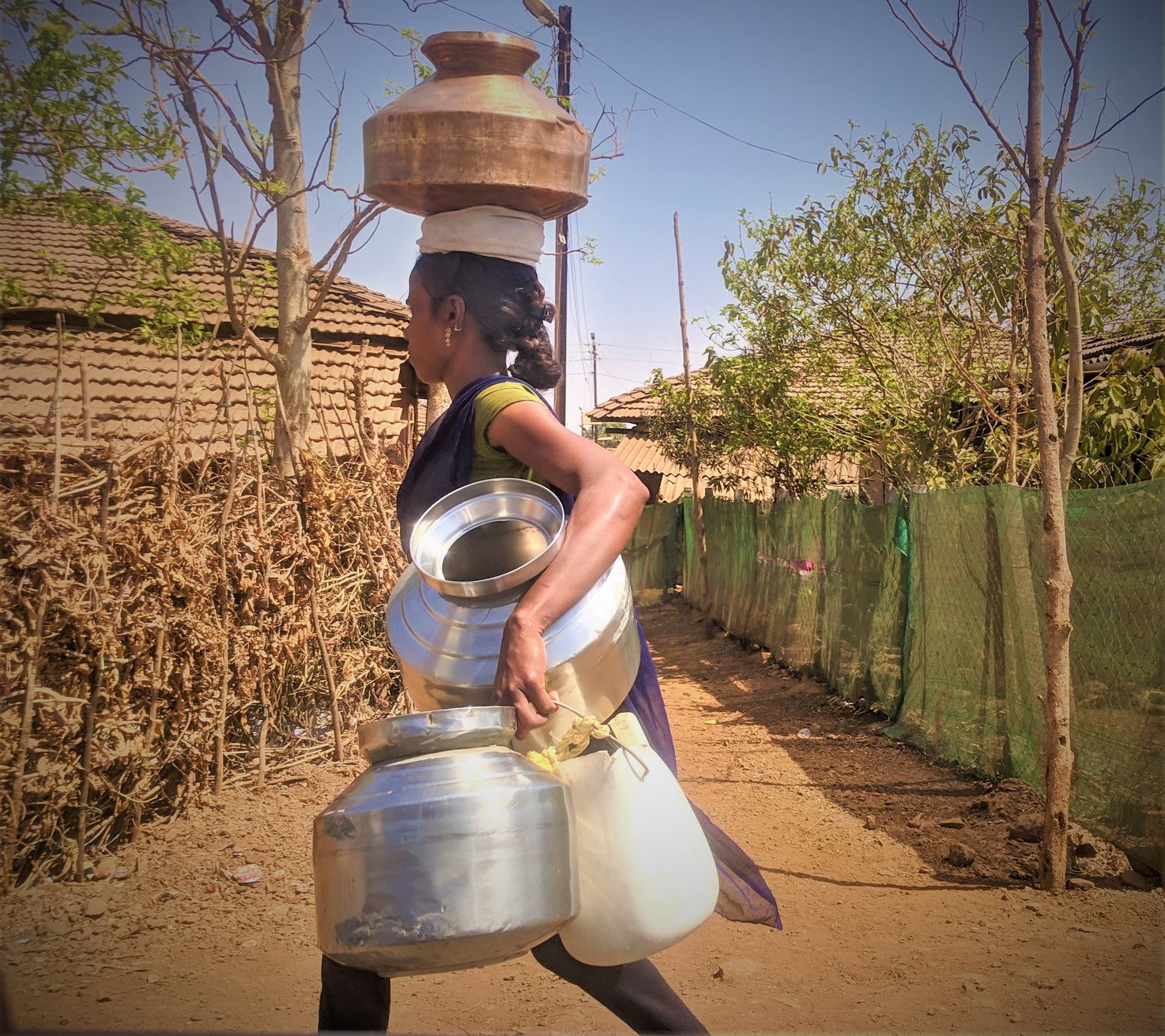
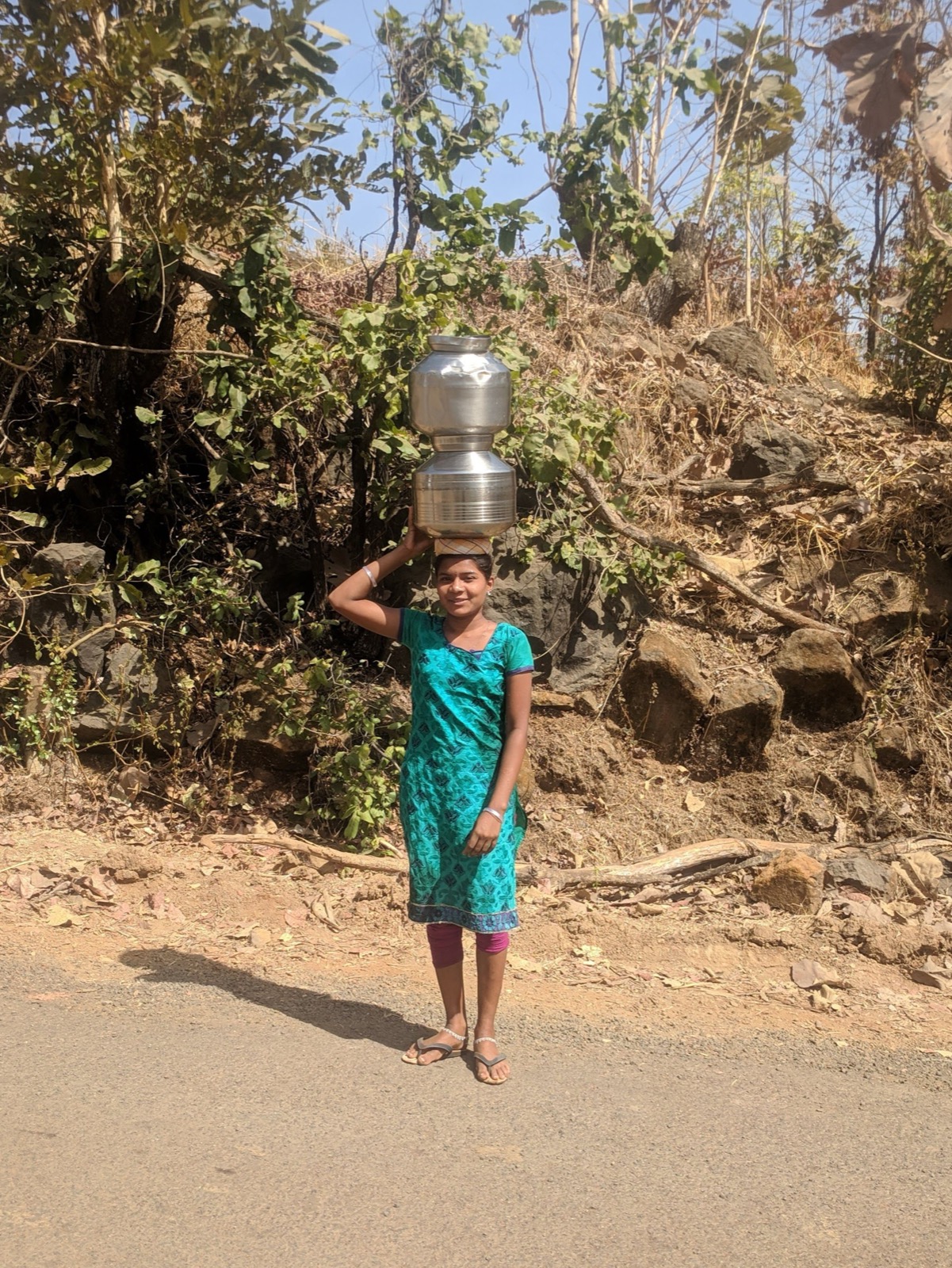
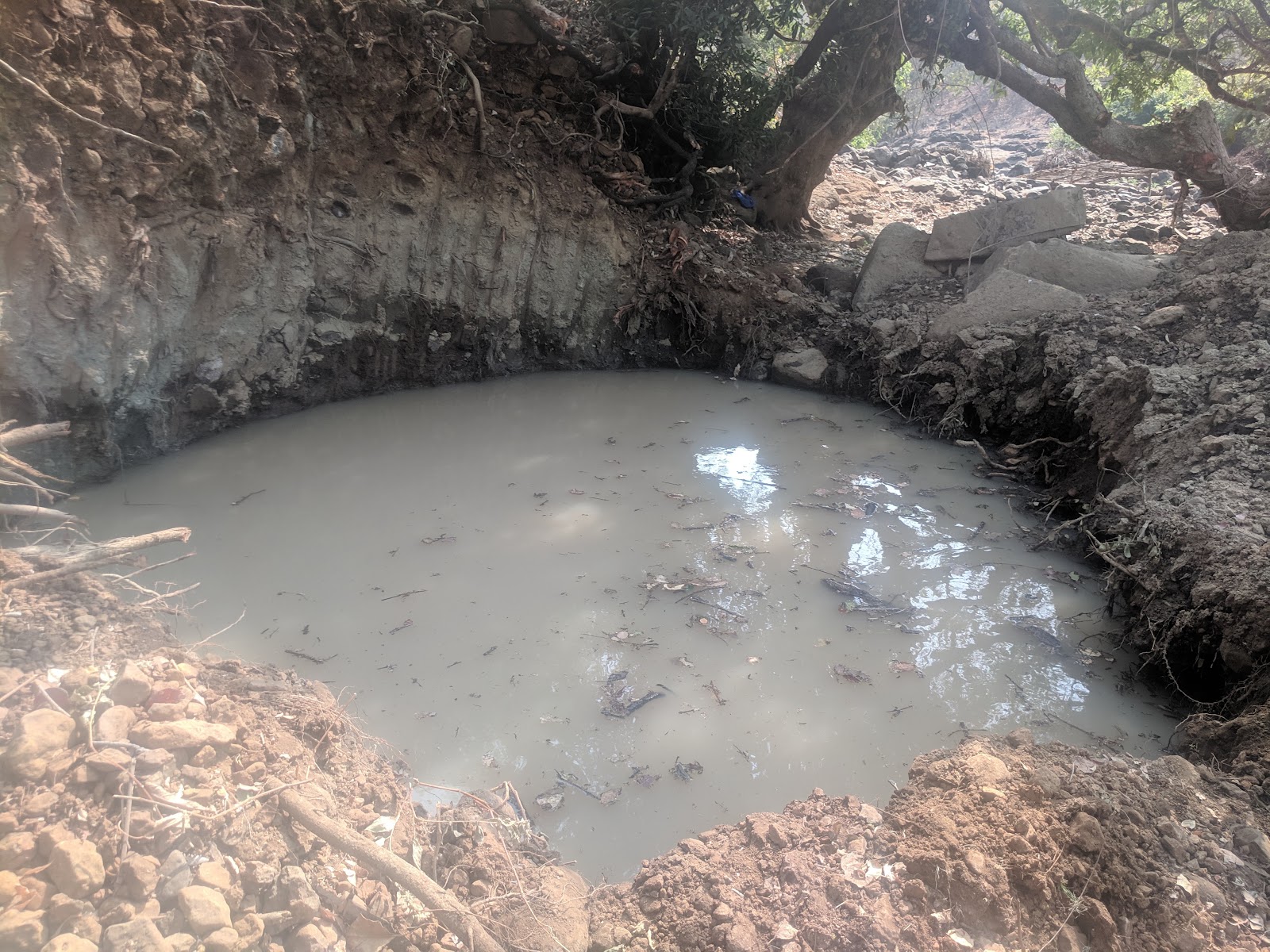
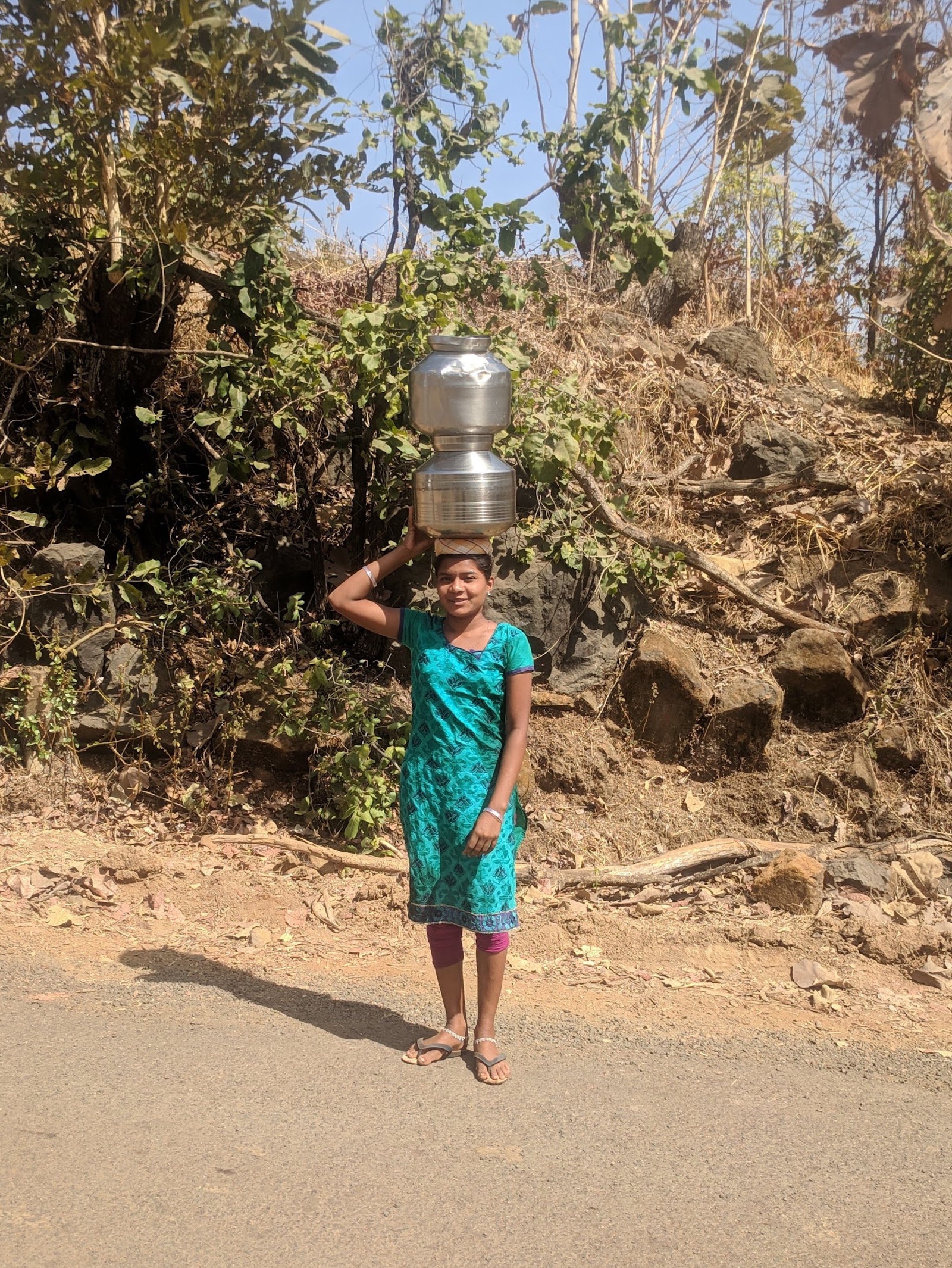
Access to water was a daily struggle in several tribal villages of Maharashtra. In places like Kundyacha Pada, Sutarpada and Ghodichapada in Palghar district, there were no reliable water sources nearby. Every day, women and children walked long distances to fetch water from far-off wells, often carrying heavy pots on their heads. During peak summer, when water levels dropped further, the effort became even more exhausting and uncertain. Time that should have been spent learning, resting, or simply being a child was consumed by survival.
What we did
Between 2018 and 2019 we implemented a water well and pipeline system to provide a reliable, sustainable supply of clean water directly to the community. We built a well near an existing water source and installed a submersible motor to pump water through underground pipelines to a central storage tank in the village, connected to multiple taps. The system runs on solar energy, removing dependence on inconsistent electricity and eliminating recurring power costs.
Bringing clean water home, in five steps
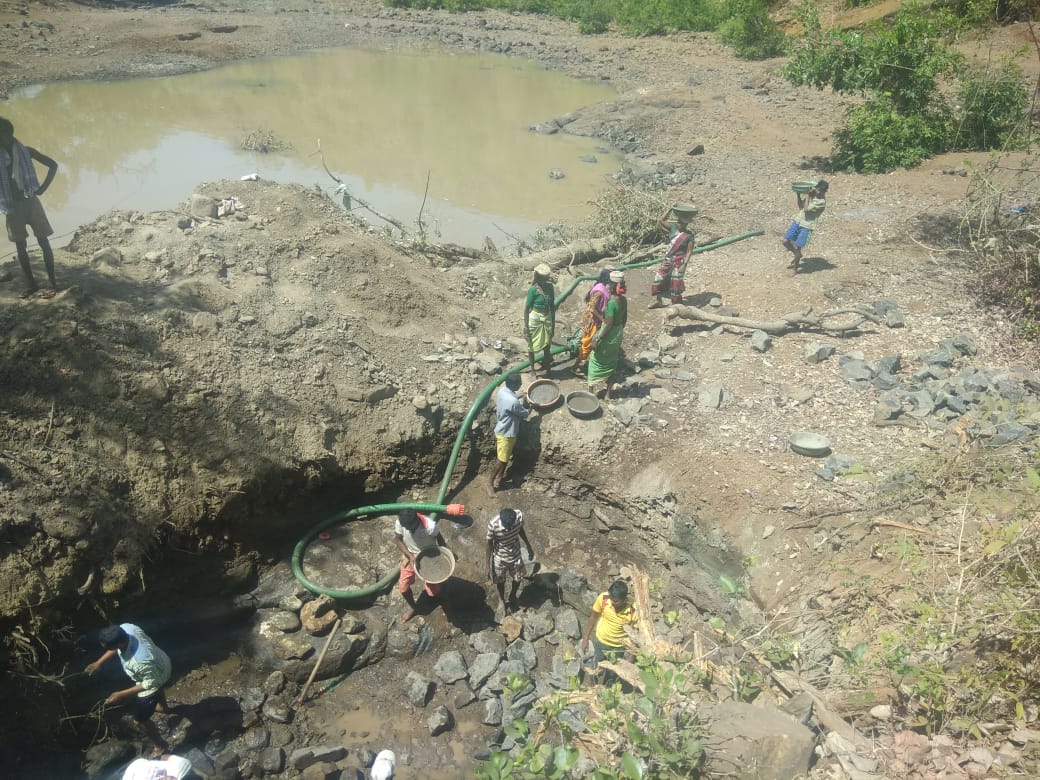
- Dig the earth to locate a water source.
- Construct a well once water is found.
- Install a submersible motor in the well.
- Pump water through underground pipes into the village.
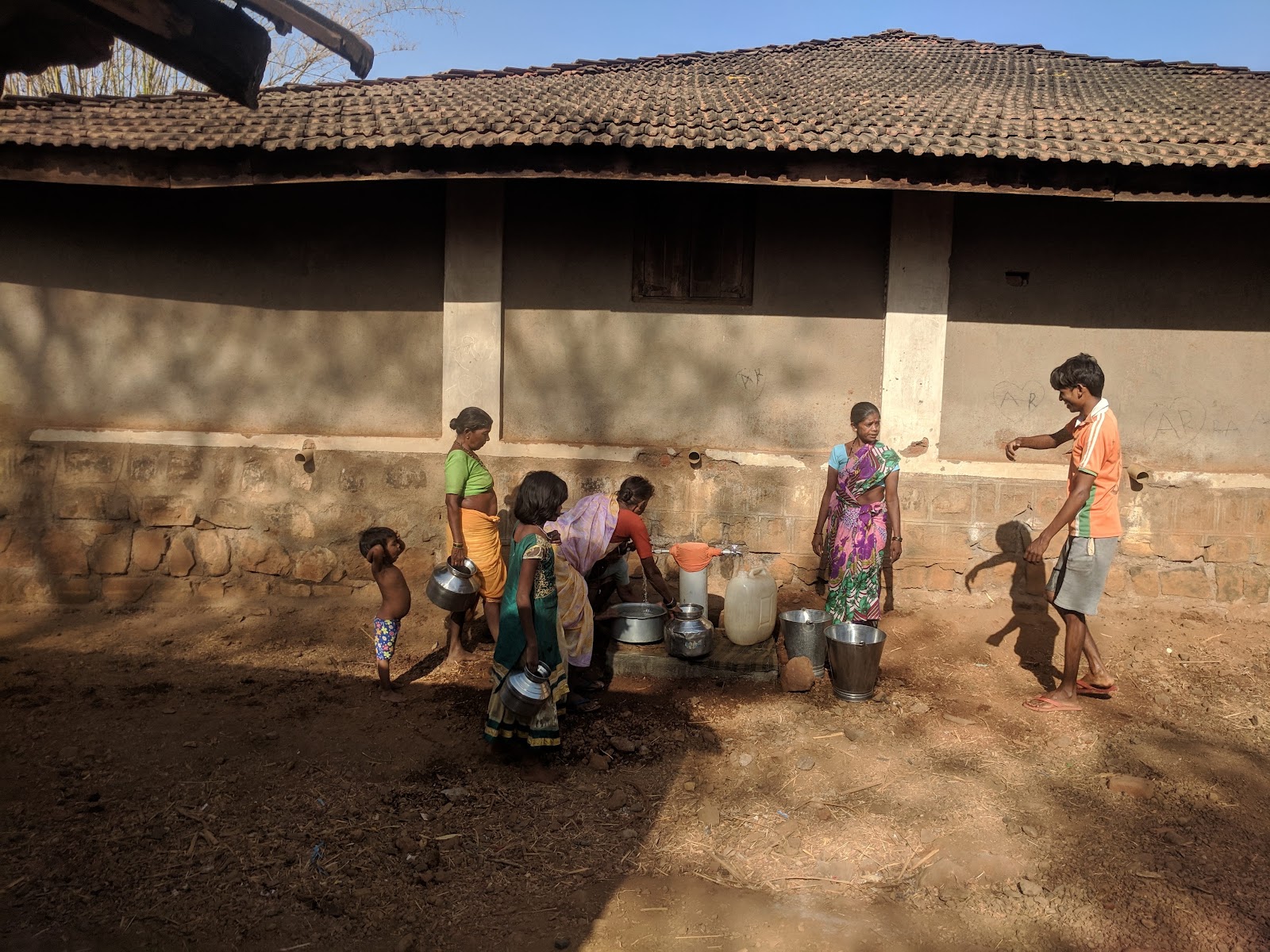
- Install a water tank and stand posts so supply reaches every home.
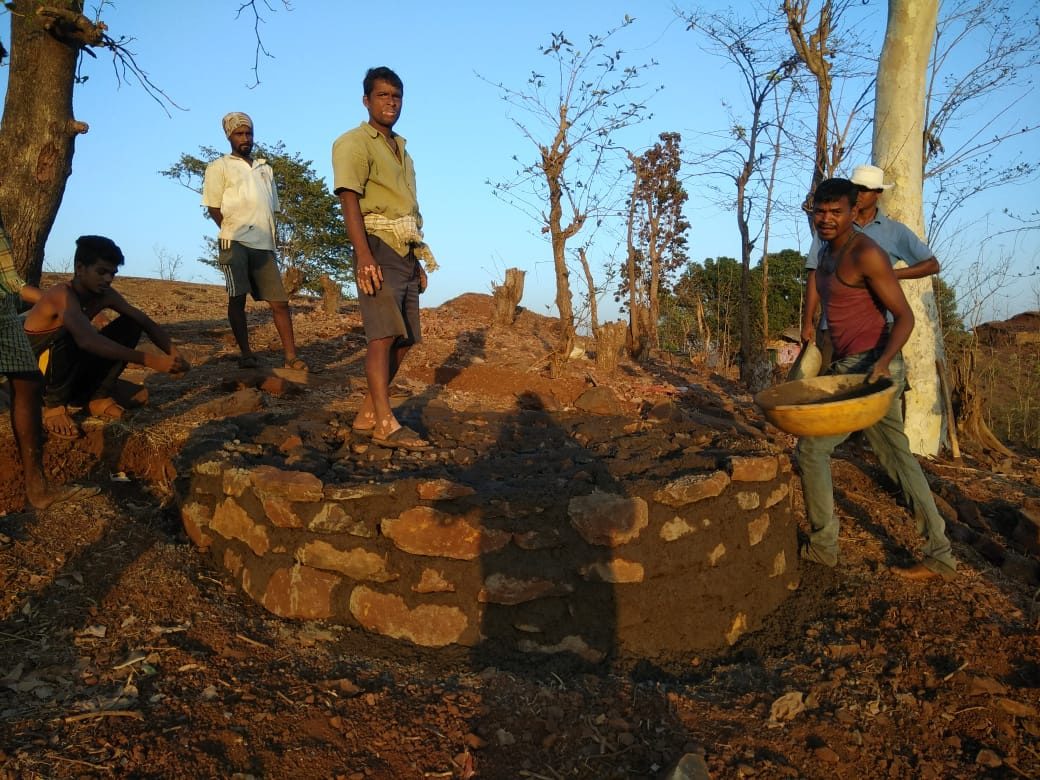
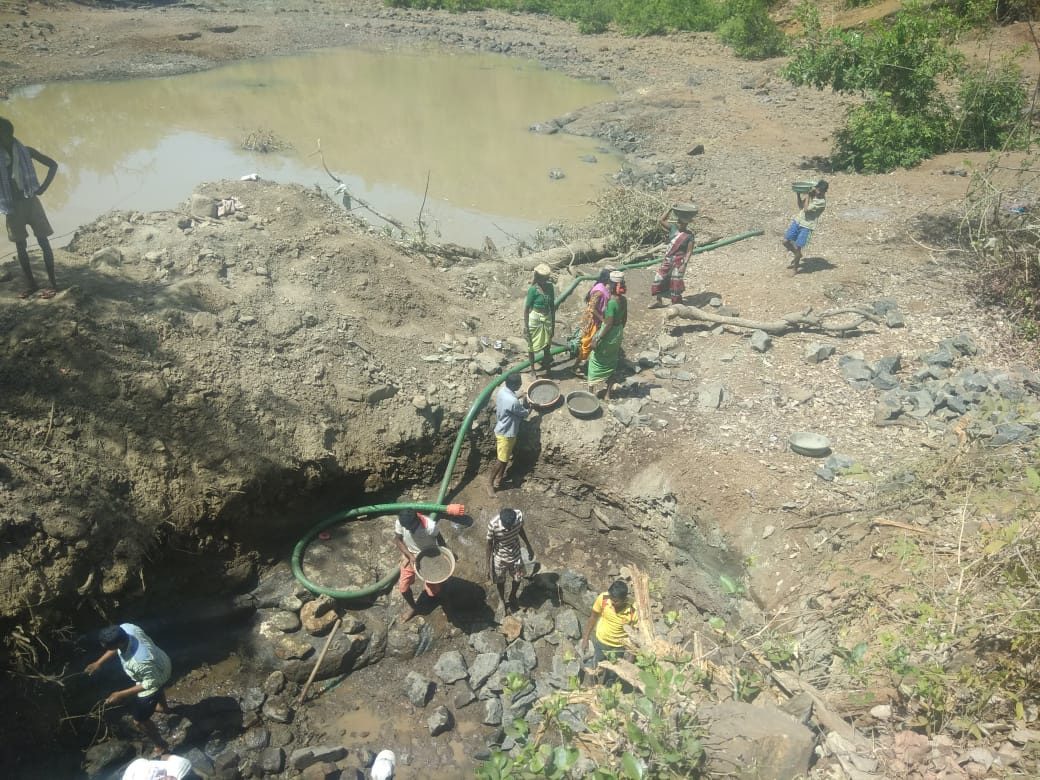

The villagers did the digging and the building.
Community at the centre
This project was built with the village, not just for it. Community members actively participated in digging, building and supporting the work on the ground. We provided materials and technical support, ensuring there were no labour costs, while the villagers contributed effort and ownership.
What changed
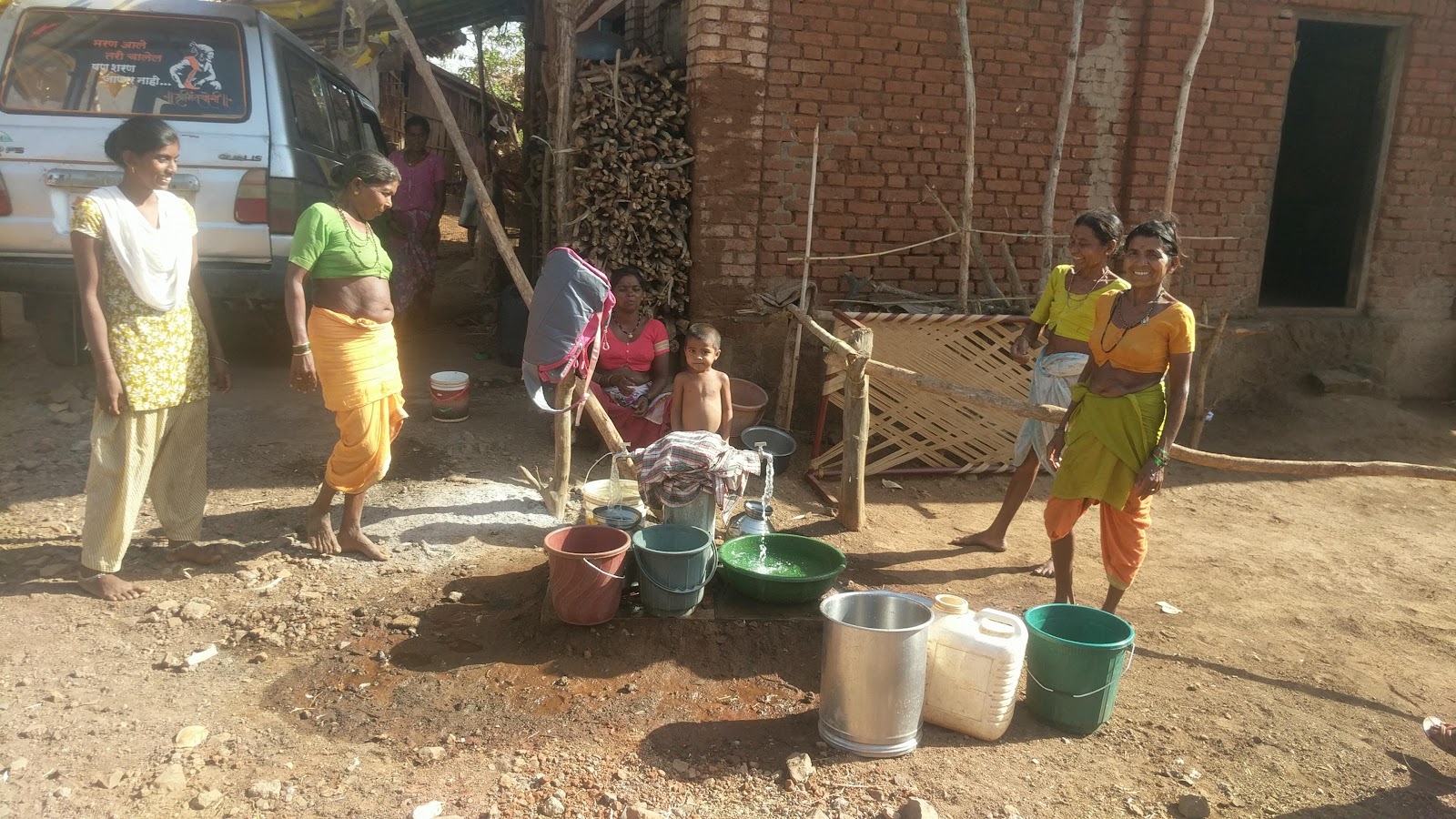
Today, clean water flows within the village. The 3–4 hours women and children once spent fetching water dropped to under 10 steps. No more carrying vessels, no walking in scorching heat, just more time to play, more time to study, more time to simply be children.
“Supplying water was not the end. It was the connection that allowed everything else to flow.”
In the villages
Life before the water came
Kundyacha Pada and Ghodichapada in summer: muddy pits as the only source, dry red earth, and children carrying pots home every day.



कर्मण्येवाधिकारस्ते मा फलेषु कदाचन । मा कर्मफलहेतुर्भूर्मा ते सङ्गोऽस्त्वकर्मणि ॥
You have control over your actions, but not over their outcomes. Do not work for the reward, and do not use this as a reason to stop working.
One water system can change a village.
Kundyacha Pada (2018–19), Ghodichapada (2019–20) and Ramnagar Sutarpada (2020–21) no longer lose half a day to the water walk. Above all, the project gave the village back its time. Help us take this model to the next hamlet.